Keeping Canopies Clear and Structurally Sound
Tree Trimming in Creswell for branches overhanging roofs or blocking power line clearance zones
Bear Mountain Tree Surgeons, Inc. offers tree trimming in Creswell when limbs grow into roof valleys, scrape siding during windstorms, or encroach on utility corridors. You call for trimming when branches obstruct views, create fire hazards, or drop excessive debris into gutters and downspouts. This service applies to residential yards, commercial complexes, and multi-unit properties where overgrowth reduces curb appeal or threatens infrastructure.
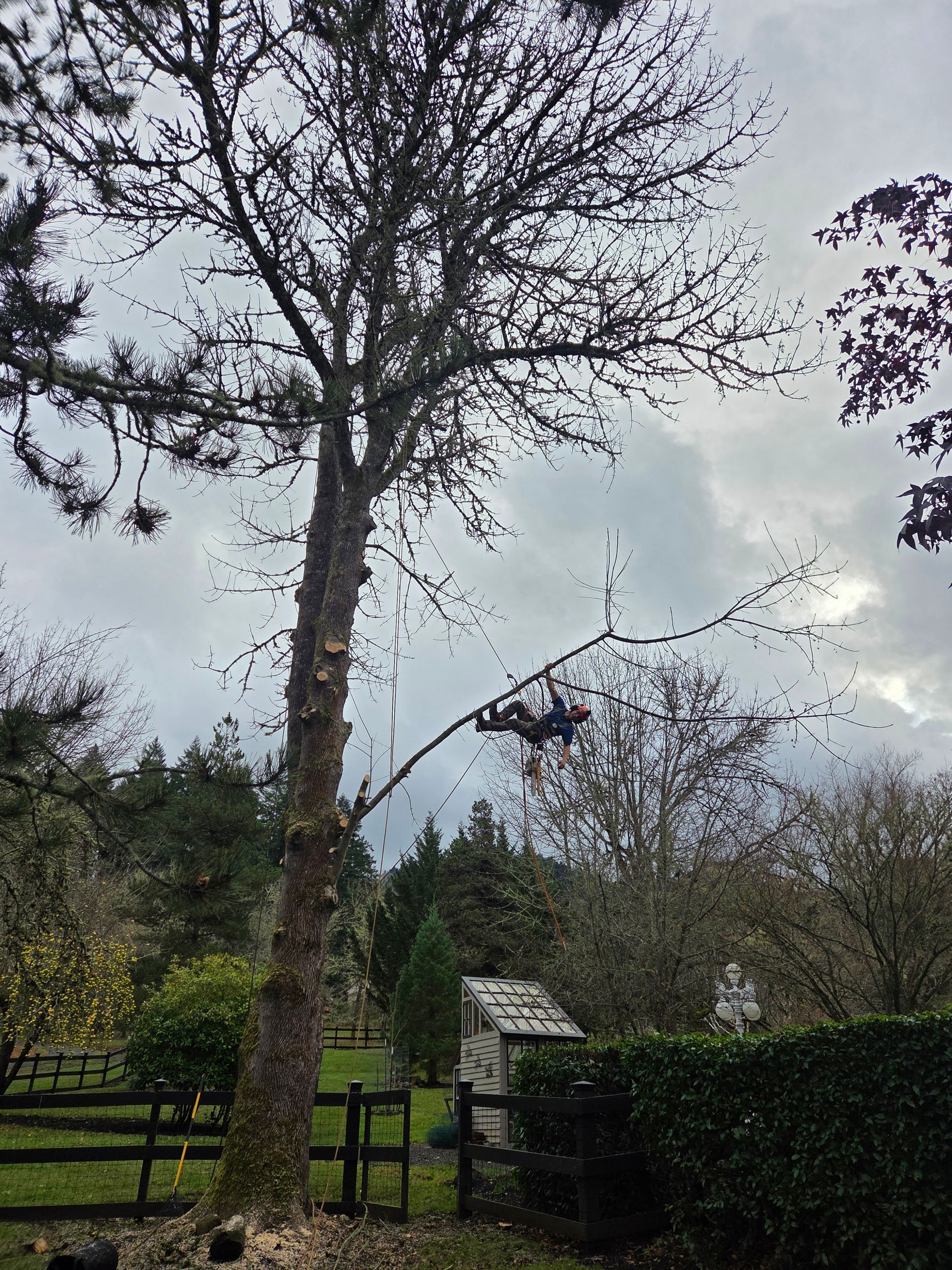
Our crew identifies which limbs to remove based on weight distribution, growth direction, and proximity to structures. We use pole saws and climbing harnesses to reach upper canopy sections without damaging bark or leaving torn edges that invite disease. Clearance trimming around power lines follows utility standards, maintaining minimum distances to prevent arcing or outages during wet weather common in the Willamette Valley.
If your trees need shaping or hazard reduction in Creswell, we can visit the site to mark target branches and confirm the trimming schedule that fits your property timeline.
How Trimming Protects Trees and Property
You'll see us start by removing dead or crossing branches that rub against each other and create wounds where fungal spores enter. We make cuts just outside the branch collar, the swollen area where the limb meets the trunk, so the tree seals the wound naturally without applying wound dressing. Seasonal trimming programs space cuts across multiple visits to avoid removing more than twenty-five percent of the canopy in a single year, which can shock the tree and stunt growth.
After trimming, your roof will have clear space for air circulation and sunlight penetration, reducing moss buildup and shingle wear. You'll notice fewer broken twigs in your yard after storms and improved sightlines from windows or driveways. Bear Mountain Tree Surgeons, Inc. chips all cut material onsite or hauls it away, leaving no piles that smother lawn grass or attract wood-boring insects.
We do not top trees or make flush cuts that remove the branch collar, since both practices weaken structure and increase decay risk. Trimming does not include cabling, root work, or pest treatment. If a tree has significant internal rot or hollow sections, we'll recommend evaluation before trimming to avoid destabilizing what remains.
What to Expect from Professional Tree Trimming
Property owners often want to know how trimming differs from pruning and what results they'll see after the work concludes.
What is the difference between trimming and pruning?
Trimming focuses on removing overgrown or obstructive branches for clearance and shape, while pruning targets structural health and growth patterns in younger or fruit-bearing trees.
How often should trees be trimmed?
Most mature trees benefit from trimming every three to five years, though fast-growing species or trees near structures may need attention every two years to prevent encroachment.
Why do you avoid topping trees?
Topping removes the central leader and forces weak, clustered regrowth that breaks easily in wind, creating greater hazard than the original height presented.
When is the best season for trimming in Creswell?
Late winter or early spring before bud break allows you to see branch structure clearly and minimizes sap flow, though hazard reduction can happen year-round.
How do you protect power lines during trimming?
We maintain clearance distances set by utility standards and coordinate with providers when trimming within ten feet of energized lines to ensure crew safety and uninterrupted service.
Bear Mountain Tree Surgeons, Inc. provides one-time trimming for immediate clearance needs and ongoing seasonal programs for estates or commercial landscapes. Contact us with your property details and any specific clearance concerns, and we'll outline a trimming approach that addresses both safety and canopy health.
Shaping Growth and Preventing Future Failures
Tree Pruning in Creswell for young trees developing weak branch unions or crossing limbs
Bear Mountain Tree Surgeons, Inc. delivers tree pruning in Creswell when you need to correct structural defects, remove deadwood, or guide healthy growth in developing trees. You schedule pruning when you notice V-shaped branch attachments, interior limbs that never see sunlight, or fruit trees producing less each season. This service applies to newly planted specimens, established shade trees, and orchard stock requiring annual maintenance.
Our crew follows ISA standards for making cuts that preserve the branch collar and encourage compartmentalization, the tree's natural process for sealing wounds. Structural pruning on young trees eliminates co-dominant stems before they split under snow load, and crown thinning removes interior branches to improve airflow and reduce humidity that fosters fungal growth. Fruit tree pruning opens the canopy so sunlight reaches lower branches, increasing flower bud formation and fruit size.
If you're managing young trees or fruit varieties in Creswell, we can assess growth patterns and recommend a pruning cycle that supports long-term health without over-cutting.
What Proper Pruning Accomplishes Over Time
You'll see us begin by removing dead and diseased wood, which shows up as brittle branches with peeling bark or discolored sapwood. We thin the crown by selectively removing crossing limbs and water sprouts, the fast-growing vertical shoots that sap energy from productive branches. On fruit trees, we cut back last year's growth to outward-facing buds, directing new shoots away from the trunk and preventing the dense interior tangles that block light.
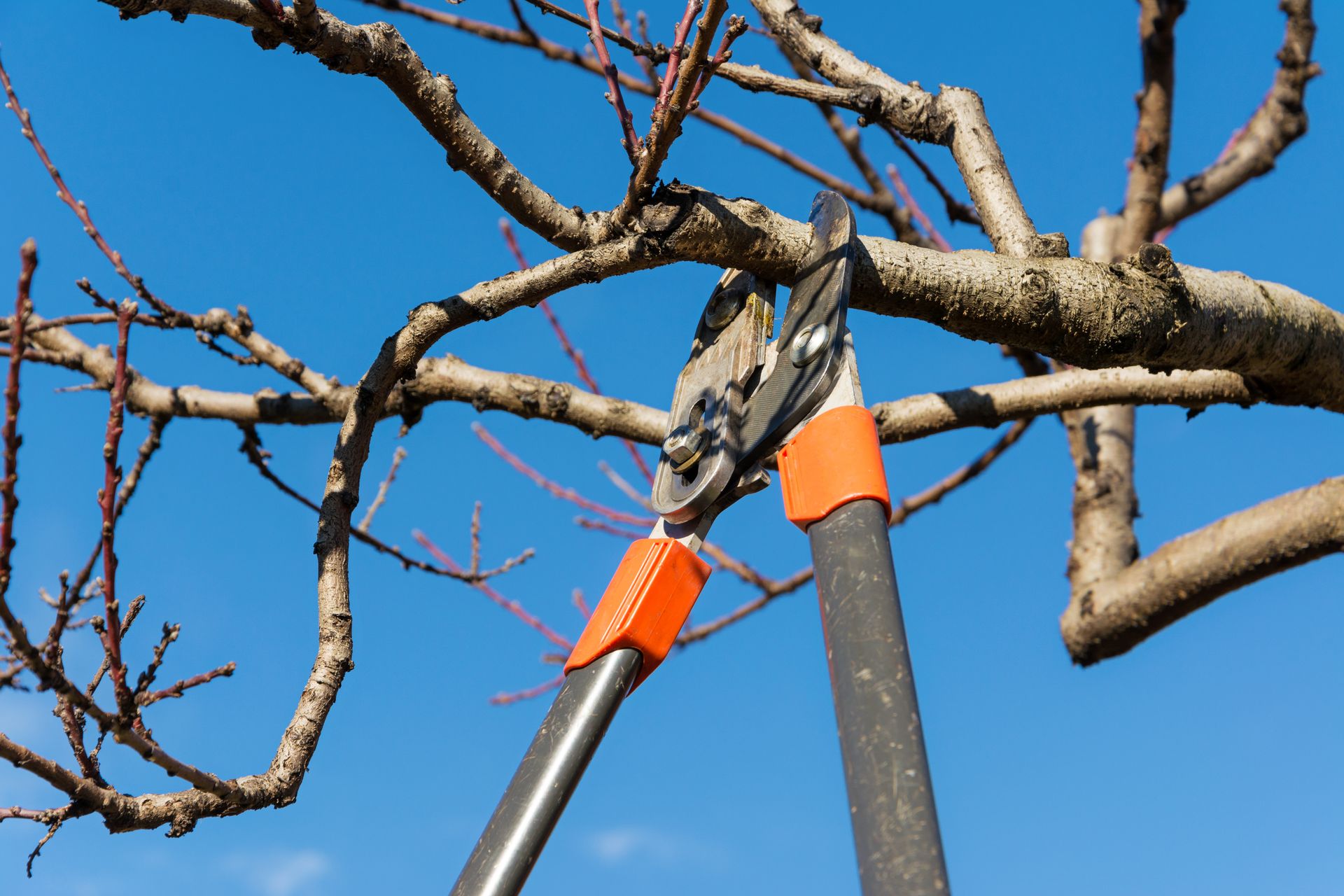
After pruning, your trees will develop stronger branch angles and more evenly distributed weight, reducing the chance of storm breakage. You'll notice improved fruit quality on pruned orchard trees and clearer canopy structure that allows rain and wind to pass through rather than creating sail effect. Bear Mountain Tree Surgeons, Inc. uses hand pruners, loppers, and pruning saws matched to branch diameter, avoiding tears or ragged cuts that delay healing.
We do not apply pruning paint or sealer, since research shows trees seal wounds more effectively when left untreated. Pruning does not include pest control, fertilization, or cabling. If a tree shows signs of disease beyond dead branches, we'll recommend consulting a certified arborist before continuing cuts that might spread infection.
Understanding the Pruning Process and Timing
Homeowners often ask how pruning differs from trimming and what they should expect during the initial years after planting.
What makes pruning different from trimming?
Pruning targets specific structural and health goals such as eliminating weak unions or promoting fruiting wood, while trimming addresses clearance and overgrowth for safety and appearance.
How do you decide which branches to remove?
We look for dead or diseased wood first, then address crossing limbs, inward-growing shoots, and co-dominant leaders that compete for apical dominance and create split risk.
When should fruit trees be pruned in Creswell?
Late winter before bud swell is ideal for apples, pears, and stone fruits, since you can see branch structure and cuts heal quickly as growth resumes in spring.
Why is crown thinning important for tree health?
Thinning improves air circulation and light penetration, reducing humidity inside the canopy that encourages fungal pathogens and limiting wind resistance that causes breakage.
How much can you prune in one season?
We generally remove no more than twenty-five percent of the canopy per year to avoid shocking the tree, spacing major pruning across multiple seasons for larger corrections.
Bear Mountain Tree Surgeons, Inc. provides pruning for young shade trees establishing structure, mature specimens needing deadwood removal, and fruit varieties requiring annual shaping. Share your tree species and any visible issues, and we'll schedule a pruning plan that aligns with the tree's growth cycle and your landscape goals.